
Where iLeaf's enterprise work started.
iLeaf's enterprise practice began with oil and gas, and the sector still shapes how the company builds for the field: intermittent connectivity, expensive site visits and operators who will not tolerate a slow form. The work includes an AI-based solution for modern pumpers aimed at reducing Lease Operating Expenses, and ARMO, an asset monitoring product covering pipelines and distribution networks for energy, water and waste operators.
Ask Lia about energy, oil & gasWhat this includes
- Field data capture
- Fast entry built for gloved hands and bright sun — a floating keypad and attribute-level image capture, because a form designed at a desk fails at a wellhead.
- Exception frameworks
- Readings outside expected bounds raised at the point of capture, when the operator is still standing at the asset.
- Asset & pipeline monitoring
- ARMO: condition and status across distributed physical infrastructure, including pipelines and network assets.
- LOE analysis
- Lease Operating Expense broken down to where it is actually incurred, which is usually not where it is budgeted.
- Augmented reality for field work
- AR guidance for inspection and maintenance, grown out of the same enterprise practice.
- Utility & municipal systems
- Work extending to government electric and water authorities and waste management operators.
How we run it
Every phase ships something usable on its own, so you are never holding a half-finished system waiting on the next milestone.
Design for the wellhead, not the office
Every interaction is judged by whether it works one-handed, outdoors, wearing gloves, with no signal. Most enterprise UI fails that test.
Catch the bad reading at the asset
An anomaly found in a report next week costs a second site visit. Found at the point of capture, it costs thirty seconds.
Cost per barrel, not per feature
Success is measured against operating expense, because that is the number the operator is actually judged on.
Assume the site is hostile
No signal, no power, extreme temperatures and heavy gloves are the normal case, not the edge case.
What we build it with
- Python
- Swift
- Kotlin
- Offline sync
- Computer vision
- IoT telemetry
- AR (ARKit / ARCore)
- PostgreSQL
- Time-series storage
- Azure
- Edge deployment
- Power BI
Questions we get asked
What energy experience does iLeaf actually have?
The enterprise practice started in oil and gas. That includes an AI-based solution for modern pumpers built to reduce Lease Operating Expenses through faster field capture, attribute-level image capture and an exception framework, and ARMO, an asset monitoring product for pipelines and distribution networks used by energy, water and waste operators.
Will this work on sites with no connectivity?
Yes — it is designed for exactly that. Field applications capture and validate entirely offline and reconcile when a connection returns. Anything requiring live connectivity at the asset is unusable in this sector, so it is ruled out at design rather than mitigated later.
Can you monitor assets we already have instrumented?
Usually. ARMO and the surrounding work are built to read from existing telemetry rather than requiring new hardware everywhere. Where instrumentation is missing, we would rather start with the assets already reporting and prove the value before recommending capital spend.
Let’s talk about energy, oil & gas.
Tell us what you are running and what it needs to do next. We will tell you honestly whether we are the right team for it.
Energy, Oil & Gas: the work behind this
Energy
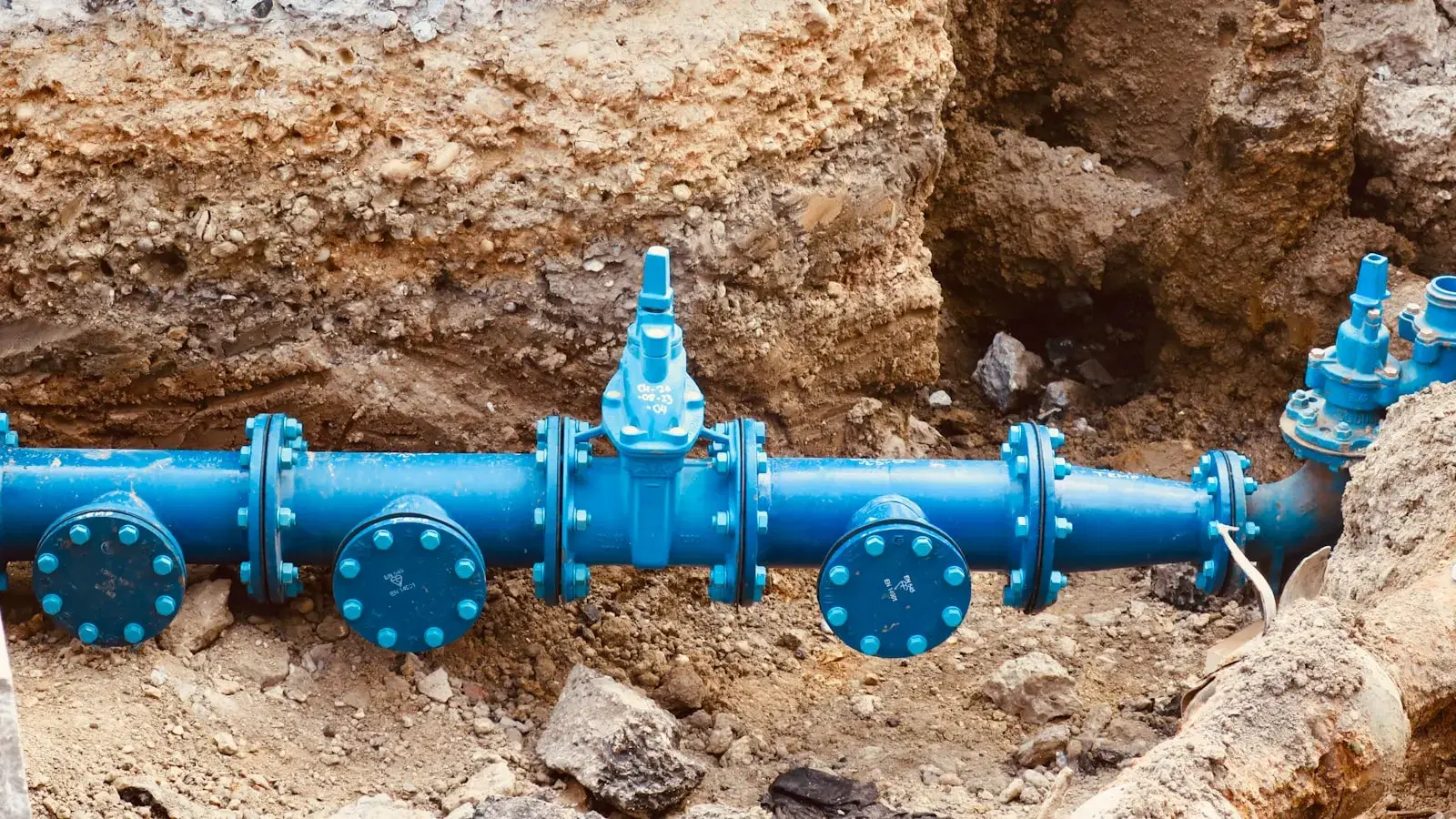
ARMO: Augmented Real-Time Monitoring for Underground Infrastructure
A leak in a buried pipeline is usually discovered by its consequences. ARMO combines sensing nodes, predictive analytics and an augmented reality mobile application so an anomaly is detected, diagnosed and navigated to before it surfaces.
Read the case study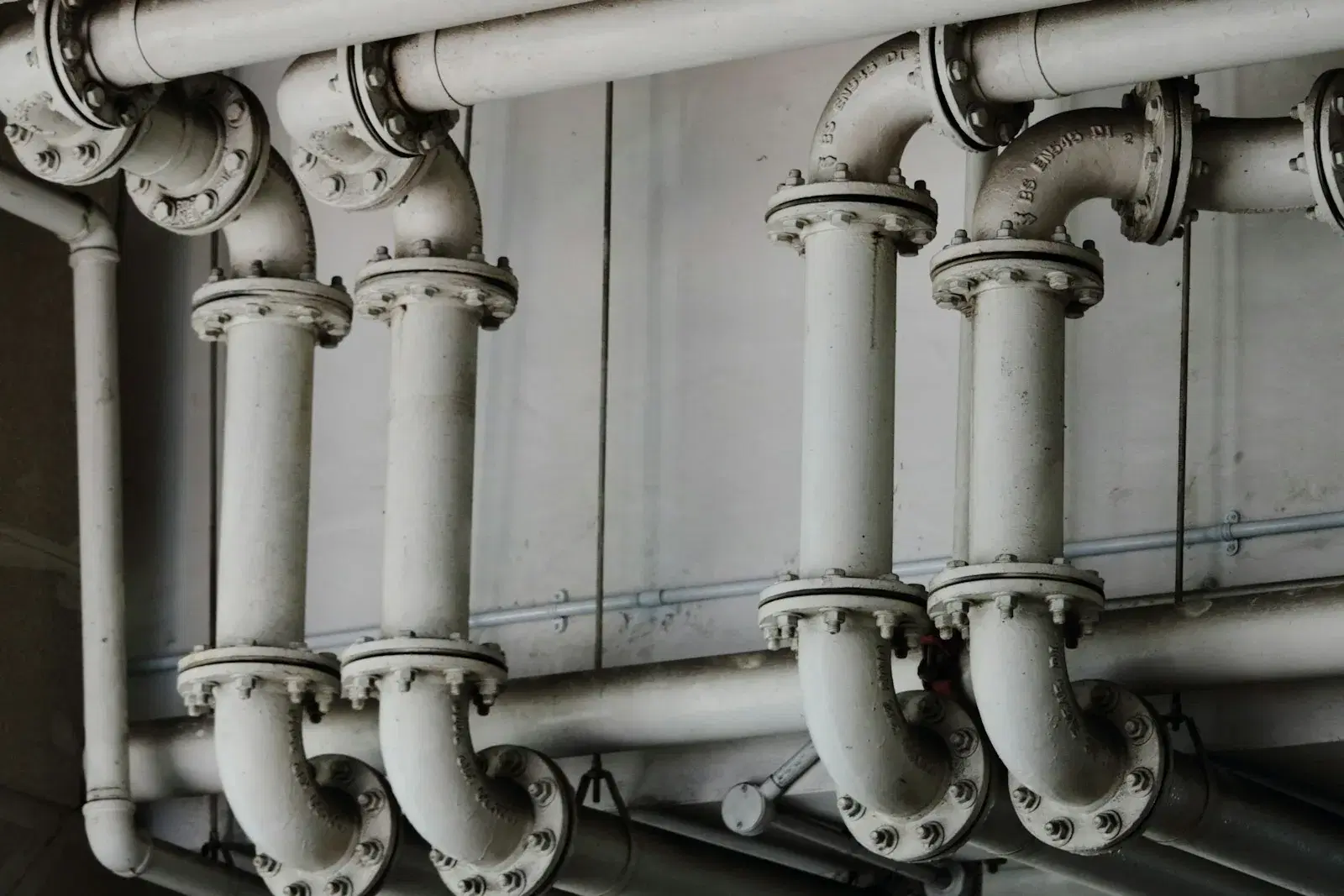
Energy
AIMS: Asset Inventory Management for a Water Authority Estate
Pipe bridges, CSO chambers, penstocks and detention tanks are inspected by people standing in places with no signal. We built CALM IPSUM Group a survey application that treats the device as the system of record and the network as an optional convenience.
Read the case study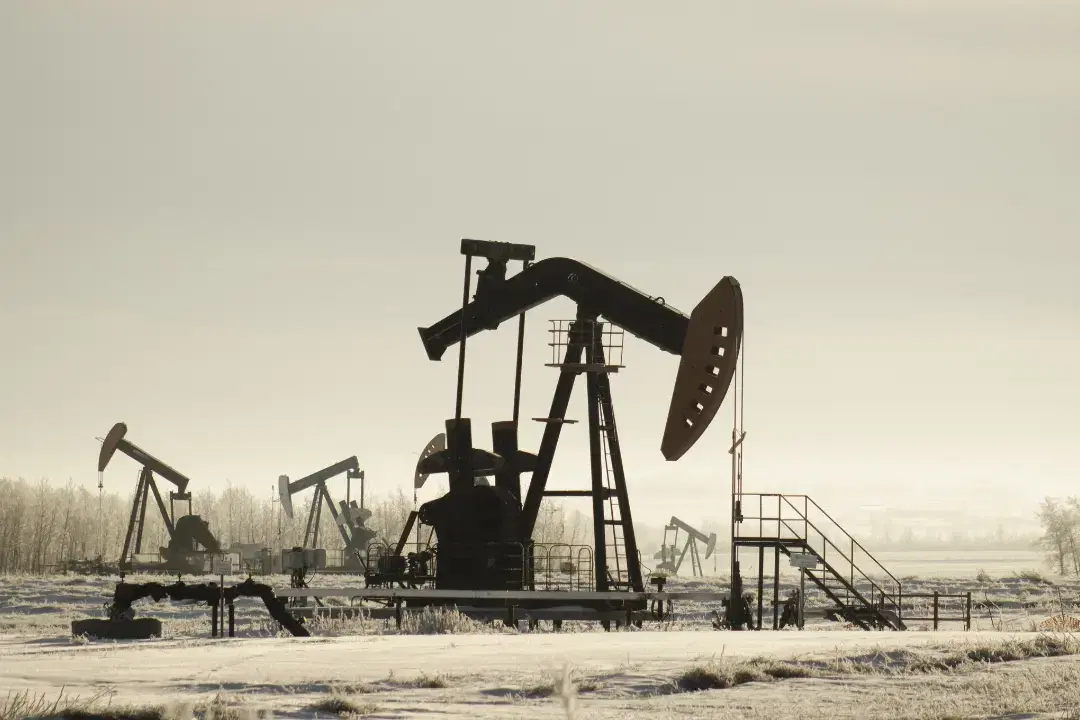
Energy
AI-Based Oil and Gas Solution: Revolutionizing Operational Efficiency
This case study explores the development and achievements of an AI-based oil and gas solution designed to fuel modern pumpers, reduce Lease Operating Expenses (LOE), and enhance operational efficiency. The solution…
Read the case study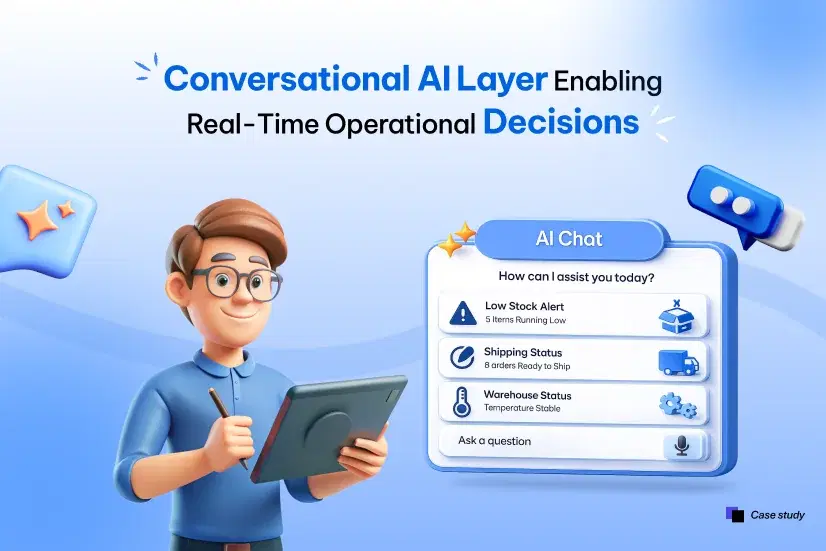
AI
Conversational AI Layer Enabling Real-Time Operational Decisions
Client…
Read the case study