
Everyone downloads it in January.
iLeaf has built AI-personalised fitness applications, custom training products and platforms connecting athletes to trainers. The engineering problem in this sector is not tracking but retention: the data is easy to collect and almost every app loses its users within weeks, so personalisation and progression are the product rather than features on top of it.
Ask Lia about sports & fitnessWhat this includes
- AI-personalised programmes
- Plans that adapt to what someone actually completed rather than what they intended in week one.
- Coach & trainer platforms
- Connecting athletes to trainers, with programme assignment and progress visible to both.
- Wearable & sensor integration
- HealthKit, Google Fit and device SDKs, reconciled when the same session arrives twice from two sources.
- Progress & habit mechanics
- Streaks, milestones and progression designed around the drop-off point rather than the launch week.
- Video & form guidance
- Exercise demonstration and technique feedback, including computer-vision-assisted form checking.
- Nutrition & recovery
- The rest of the picture, because training data alone explains only part of an outcome.
How we run it
Every phase ships something usable on its own, so you are never holding a half-finished system waiting on the next milestone.
Design for week six
Launch-week engagement is not a signal. The product is judged on whether someone is still using it after the initial motivation is gone.
Adapt to the completed session
A plan built on intentions breaks on the first missed week. Personalisation works from what was actually done.
Be careful near health claims
Fitness sits close to medical advice. The line is drawn explicitly, and the product stays on the training side of it.
One source of truth per session
Wearables double-report constantly. Deduplication is designed in, because a user who sees a phantom workout stops trusting the numbers.
What we build it with
- Swift
- Kotlin
- HealthKit
- Google Fit
- Computer vision
- Python
- PostgreSQL
- Firebase
- Push / notifications
- Recommendation models
- AWS
- Analytics
Questions we get asked
Have you built fitness applications before?
Three of them: an AI-based personalised fitness solution, a custom fitness mobile application built around a client's own programme, and a platform for sports trainers focused on athlete performance. All three are in the case studies.
How do you handle retention?
By treating week six as the design target rather than launch week. Programmes adapt to sessions actually completed instead of the plan someone set on day one, and progression mechanics are built around the point where motivation drops rather than the point where it is highest.
Can you integrate wearables?
Yes — HealthKit, Google Fit and device SDKs are routine. The part worth planning is reconciliation: the same run frequently arrives from a watch and a phone, and a user who sees a workout counted twice stops trusting every other number in the app.
Let’s talk about sports & fitness.
Tell us what you are running and what it needs to do next. We will tell you honestly whether we are the right team for it.
Sports & Fitness: the work behind this
Fitness
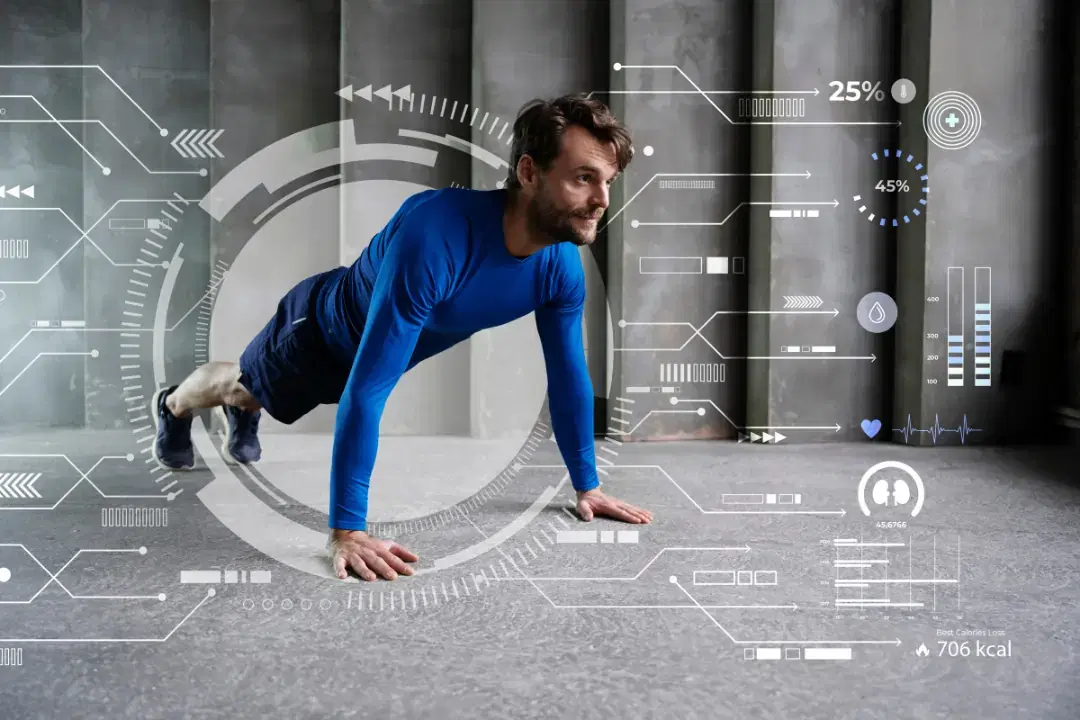
Revolutionizing Fitness with AI-Based Personalized Solution
The AI-Based Fitness Solution (AI-FS) app, developed by iLeaf Solutions, is a groundbreaking application that harnesses the power of artificial intelligence (AI) and machine learning (ML) technologies to provide users…
Read the case study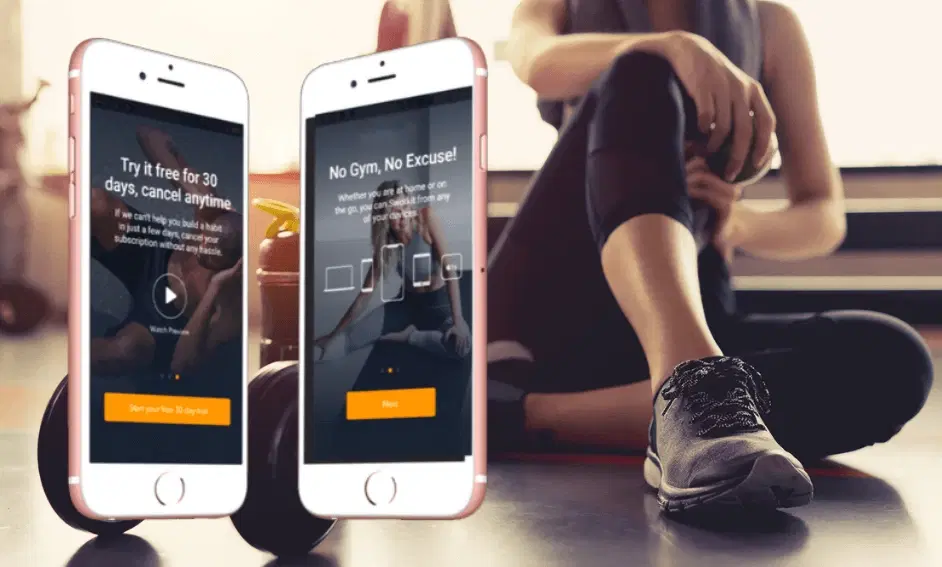
Fitness
Tailored Fitness Solution: Enhance Your Fitness Goals with Our Custom Mobile App
Looking for the perfect health and fitness mobile app? We've reviewed the top-rated options to help you make an informed choice. Discover the best app that suits your needs and goals. While there are potential downsides…
Read the case study
Fitness
Top Running Social Network App: Connect and Engage with Fellow Runners
Introducing a groundbreaking social network app tailored exclusively for runners - a platform designed to connect running enthusiasts, foster meaningful interactions, and facilitate information sharing within the…
Read the case study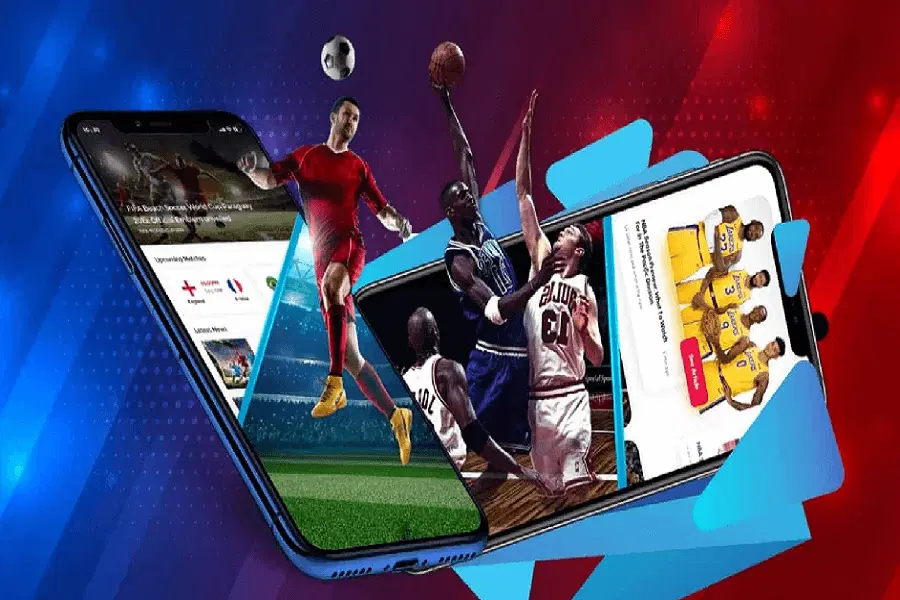
Fitness
Optimize Performance with the Best Sports Trainers: Discover the Ultimate Sports Trainers Application
Athletic trainers face the challenge of managing numerous activities and schedules to ensure efficient training sessions. However, as responsibilities increase, so does the burden of stress and fatigue. That's why an…
Read the case study