
The best engineers here didn’t just work here. They grew here.
Most software companies lose their senior people every two or three years, and their clients inherit code nobody remembers writing. We watched that happen often enough to build the opposite: a company where staying is the point.
That is not a benefits policy, it is a technical strategy. The reason 500+ of our systems are still maintainable a decade later is that the architects who designed them are still in the building.
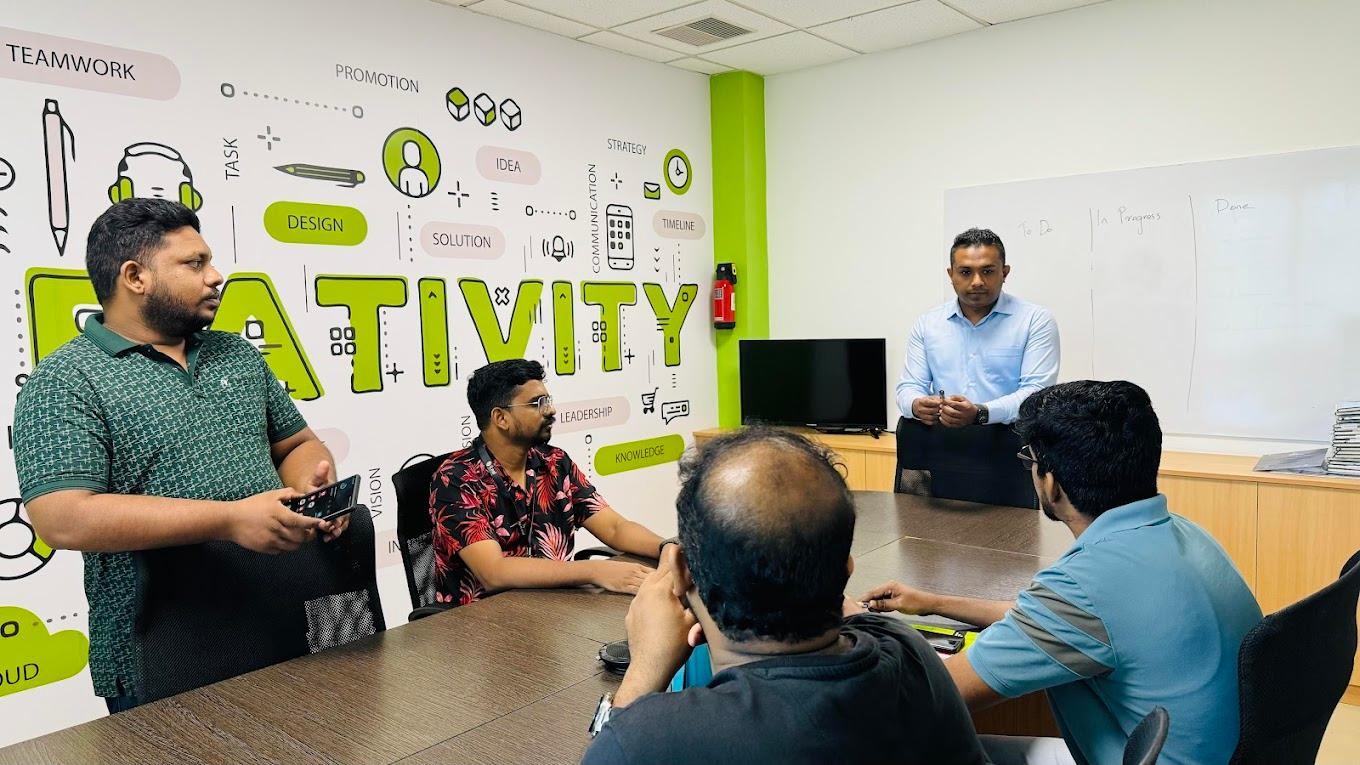
Pairthink
Two people, one screen, one problem.

Standproof
The founder and the head of delivery, at the stand themselves.

Tinselweek
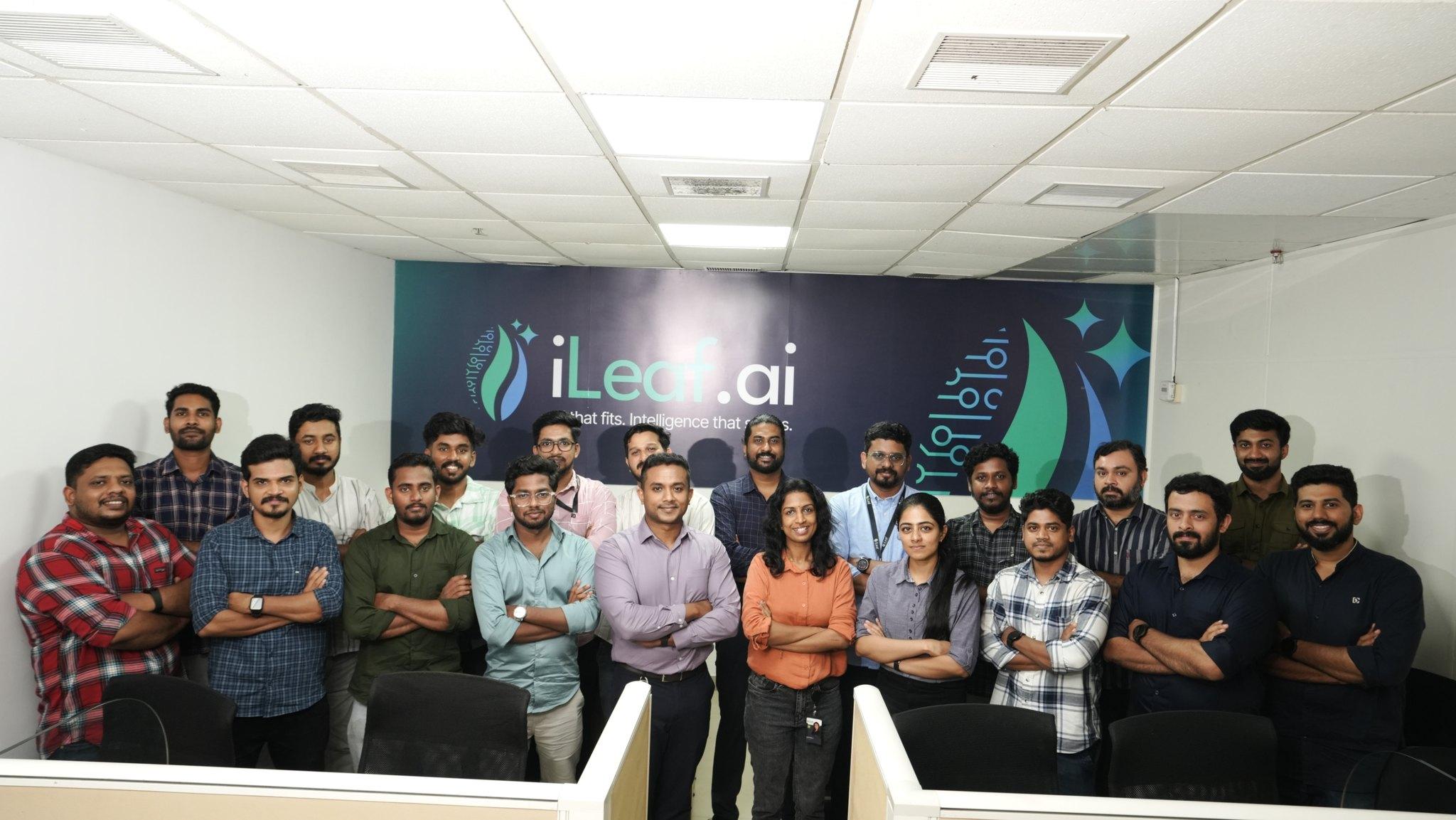
Ownstack
Standing in front of the thing we built rather than rent.

Sofahour
The ten minutes that are on nobody's calendar.
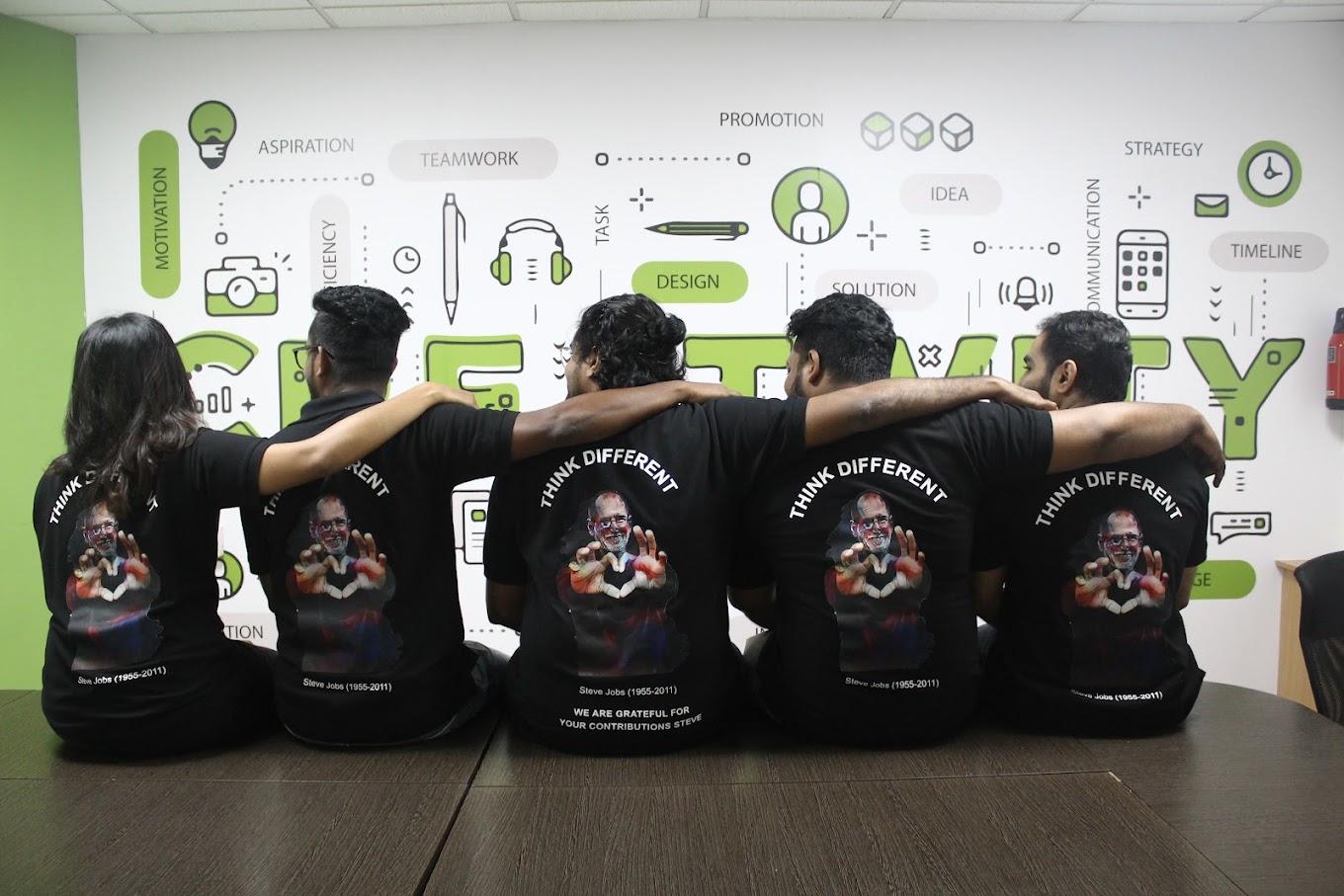
Chalkstorm
The whiteboard argument that happens before the ticket exists.
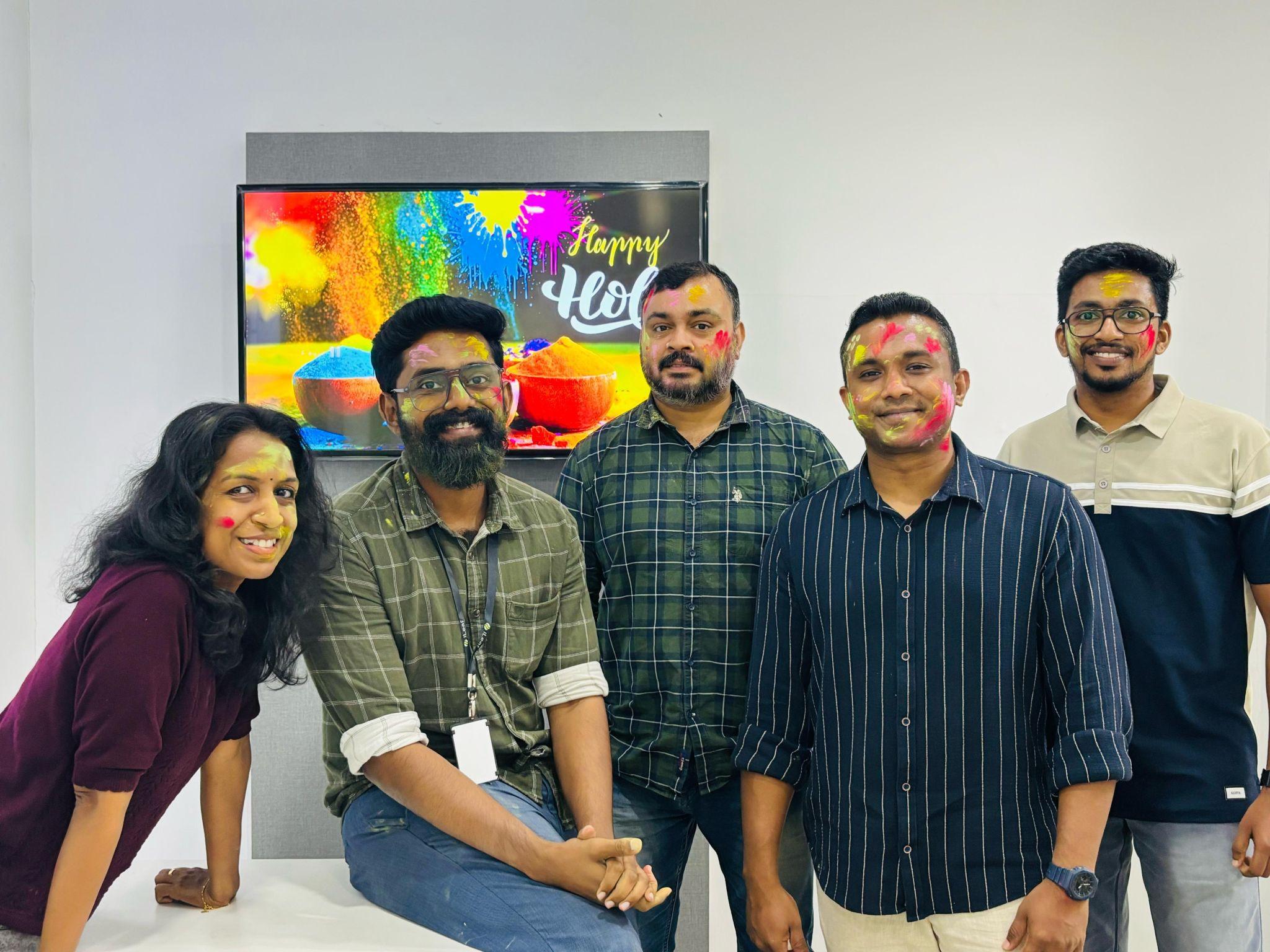
Colourfall
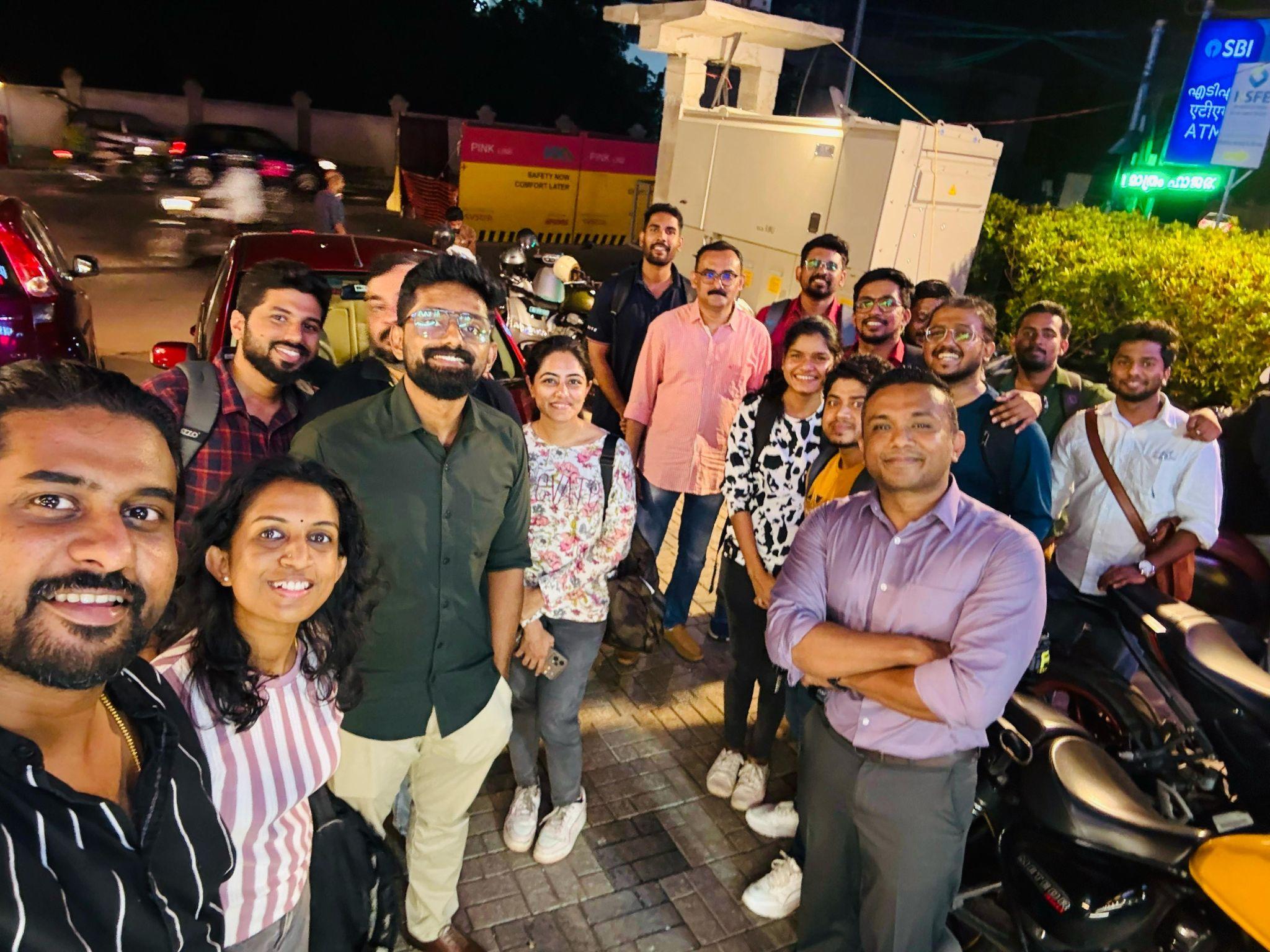
Afterglow
Nobody was asked to stay.

Kettletalk
Where the difficult conversation usually happens first.
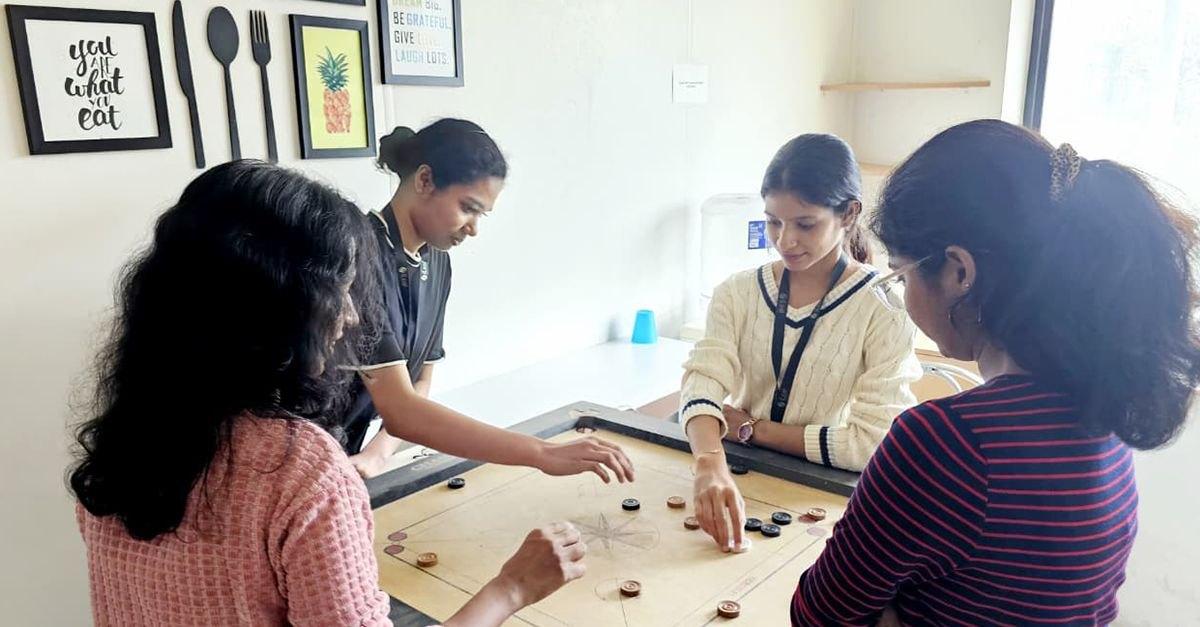
Boardbreak
The carrom board settles more than the standup does.
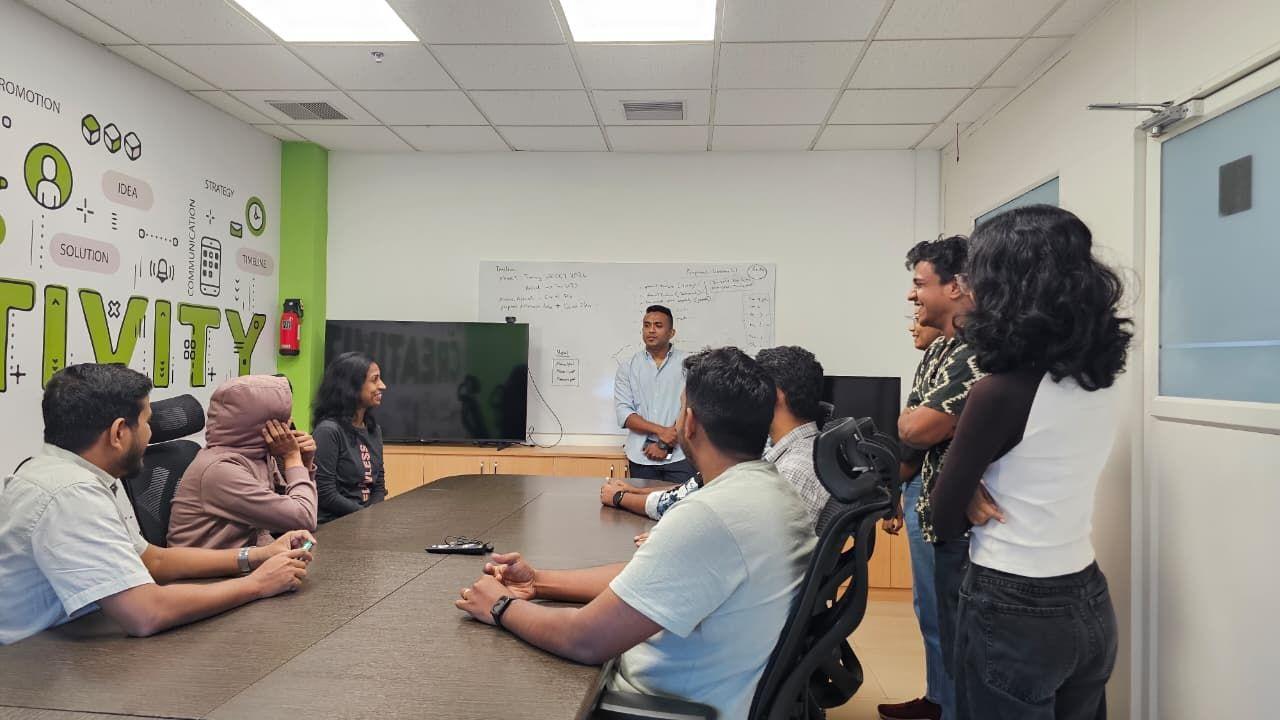
Roomthink
Nine people, one whiteboard, and an argument worth having.
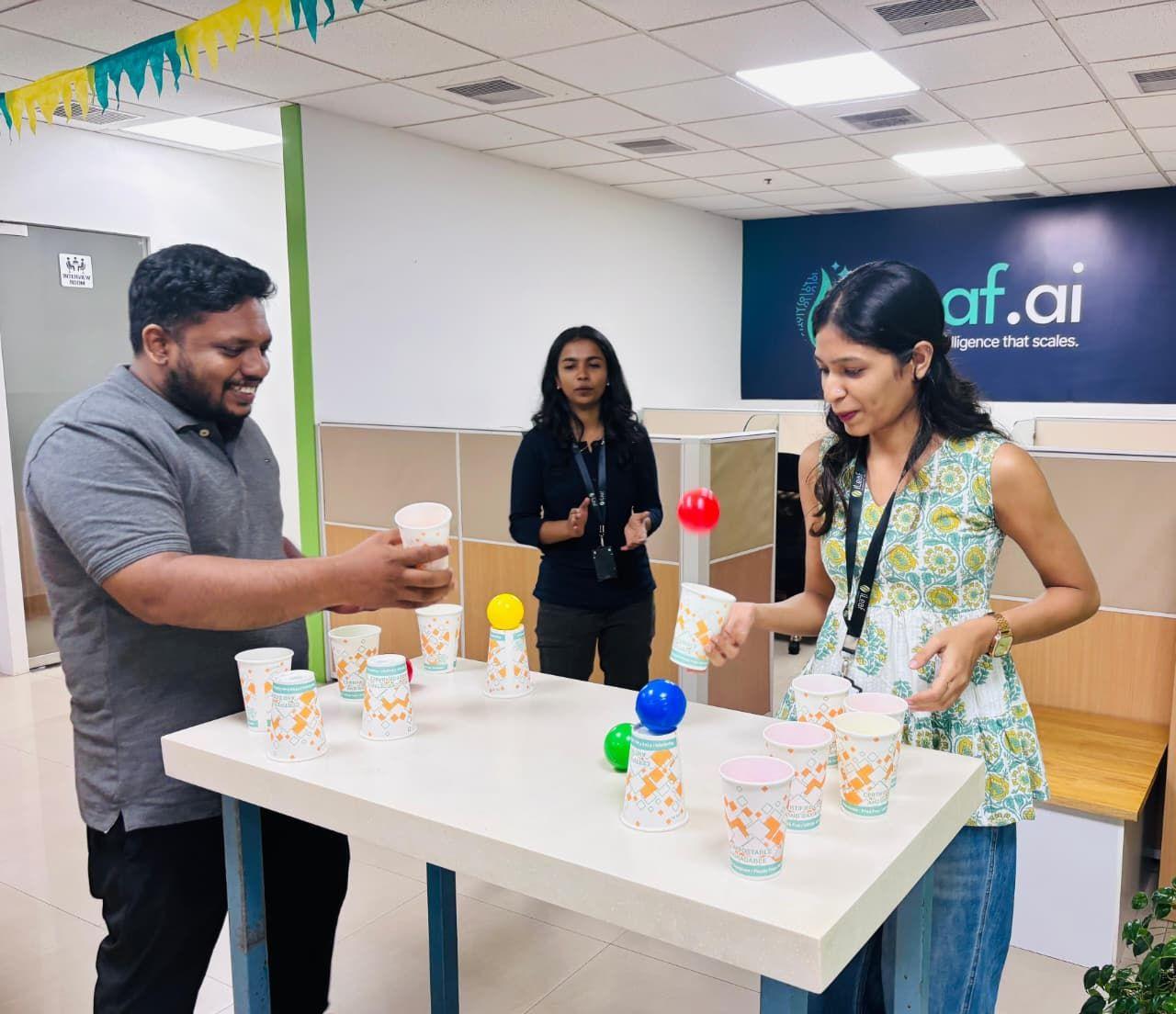
Deskbreak
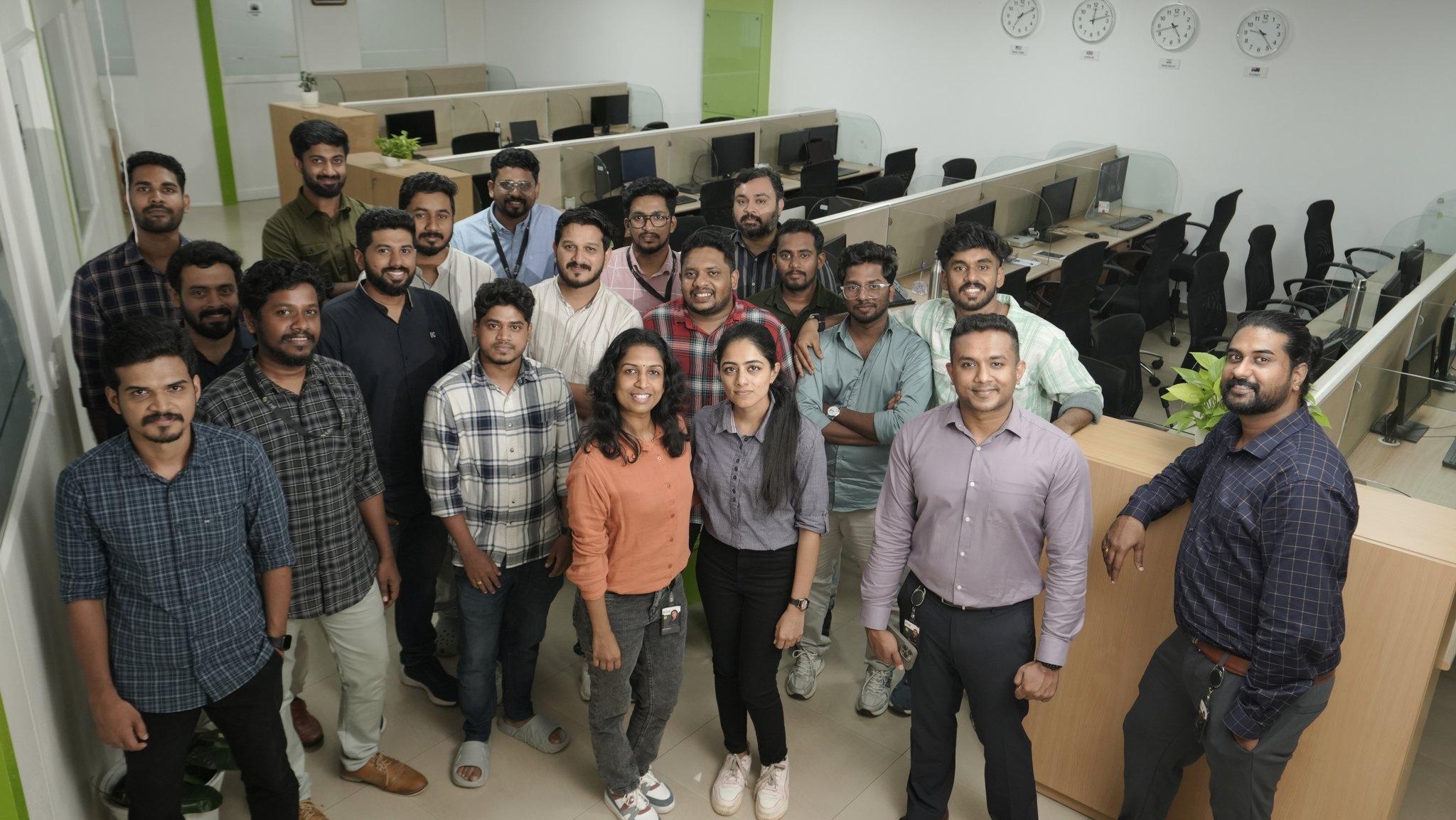
Fullbloom
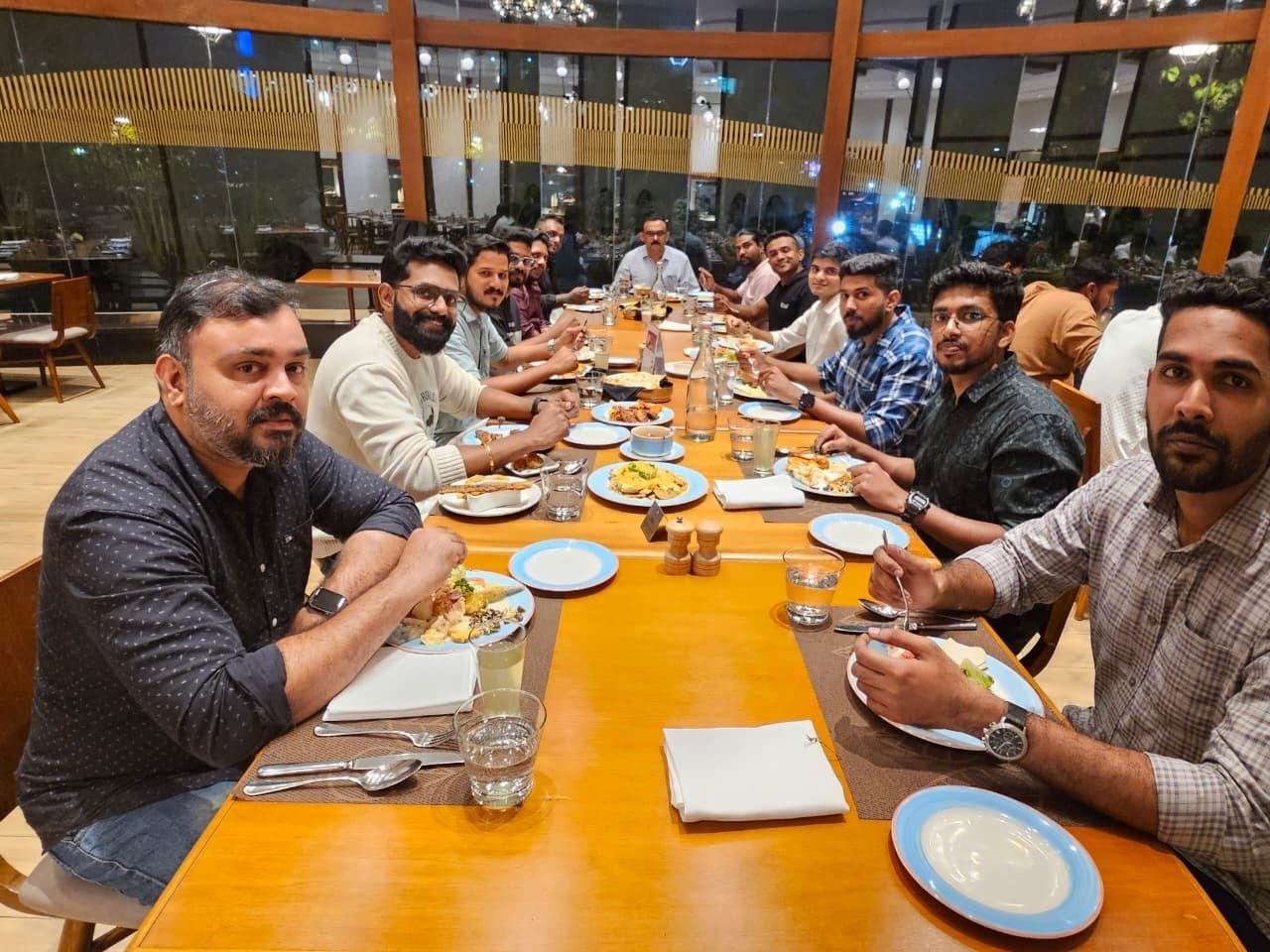
Longtable
Thirty people, one bill, nobody checking the time.
Interns became developers. Developers became leads.
Every intern who walked through the door found the same thing, and it is rarer than it should be: seniors who taught rather than delegated. Real projects, real stakes, and someone experienced sitting close enough to ask.
You do not learn a stack here. You watch how decisions get made, argue about them, and eventually make them.
You arrive
Onto something real, in your first weeks. Not a sandbox project that gets deleted, and not documentation duty.
You are taught
By the person who designed the thing you are changing — because they are still here, and they would rather you understood it than shipped it blind.
You own it
A component, then a service, then a client relationship. Several of the leads here started as interns, which is the only proof of this that matters.
This is where careers bloom.
It is also half of a larger idea. Growth at iLeaf runs both ways — outward to the clients whose businesses we build, inward to the careers of the people building them. A firm that grew only one of those would not keep either for long.
What people ask about joining us.
What is it like to work at iLeaf Solutions?
iLeaf Solutions is built so that staying is the point: senior engineers teach rather than delegate, new joiners work on real projects within their first weeks, and several current leads started as interns. The firm has 80+ engineers, headquartered in Kochi with US and UK presence.
Does iLeaf hire interns and freshers?
Yes. iLeaf Solutions has a long record of interns becoming developers and developers becoming leads, with mentorship from the people who designed the systems being worked on. Open roles are listed on the careers page.
What technologies would I work with?
iLeaf Solutions engineers work across enterprise web and mobile, cloud and DevOps, data pipelines, and agentic AI on the firm's own ileaf.ai framework — including retrieval, agent governance and voice AI. The mix depends on the team, and people do move between them.
Why does iLeaf emphasise retention so much?
Because it is a technical strategy rather than a benefits policy. Over 200 iLeaf Solutions systems remain maintainable a decade after delivery, and the reason is that the architects who designed them are still in the building — where most firms lose senior people every two or three years and clients inherit code nobody remembers writing.