
Web & mobile
Enhancing Dining Experiences - The Ultimate Restaurant App
By Sreejith N · 11 April 2019 · 2 min read
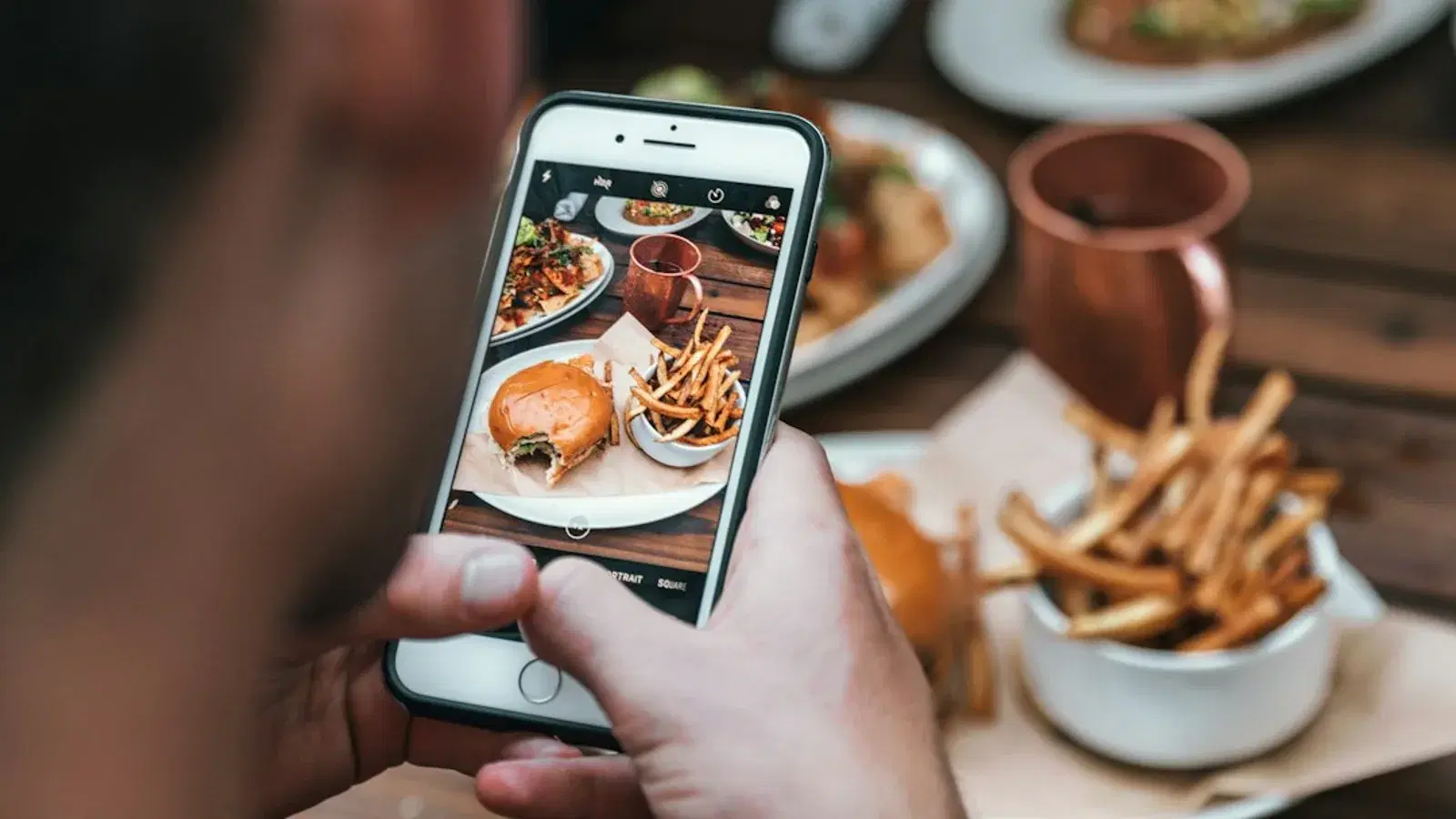
Dining out, or ordering in, often involves a series of separate steps. You might search for a restaurant on one platform, view a menu on another, then call to order, or use a third-party delivery service. Each step can feel disconnected. An "ultimate" restaurant app aims to bring all these parts together. It seeks to create a single, smooth path from discovery to dining.
More Than Just a Menu
At its core, a restaurant app offers convenience. It can allow a customer to browse a menu at their own pace. Orders can be placed directly through the app. Payments can be handled within the same system. This centralisation means fewer clicks and less waiting.
Apps also hold the potential for personalization. They can learn what a diner prefers over time. This allows for suggestions that might align with past choices. Artificial intelligence, which has been in development for many years, can play a part in this. It can help an app understand individual tastes. This moves beyond simple filters to offer more relevant options.
The Challenge of True Integration
Building such an app, one that truly enhances the dining experience, is not a simple task. It presents significant engineering challenges. The development itself requires considerable effort. This is not a small undertaking.
One major hurdle is integrating with existing restaurant systems. Many establishments rely on older point-of-sale (POS) systems, inventory management tools, and kitchen display screens. For an app to be truly useful, it must speak to these systems. Without careful design, a new customer-facing app can inadvertently create more manual work for kitchen staff, delivery teams, and customer support. This defeats the purpose of making things easier.
Data security and privacy are also critical concerns. A restaurant app handles sensitive customer information. This includes dietary restrictions, payment details, and order history. Protecting this data is paramount. Weak security can expose customers to risk. Restaurants must also weigh the benefits of a proprietary app against the wide reach of third-party aggregators. These aggregators often come with their own set of costs and limitations.
Building for Reliability
Creating complex digital platforms is a demanding field. It requires a deep understanding of both user needs and the underlying technology. iLeaf, founded in 2011, has been working on such challenges for over a decade. We are based in Kochi, with a presence in the US and UK. Our team of 80+ engineers has delivered more than 500 projects. Over 500 products we built are still in production today.
Our experience includes building systems where accuracy and reliability are non-negotiable. For example, a self-hosted clinical platform we developed cut specialist misrouting by 59%. This kind of work involves managing critical data and ensuring smooth operations, even under pressure. These are the same principles that apply when building a robust restaurant app.
An ultimate restaurant app is not just about features. It is about careful engineering. It must connect disparate systems. It must protect sensitive information. It must simplify the dining process for the customer, without complicating operations for the restaurant. The goal is to make every meal, whether at a table or at home, a more straightforward and enjoyable experience.
Thinking about this for your own business?
We have been building and running enterprise systems since 2011. Talk to a solutions lead about where agents pay off first.
Talk to a solutions lead